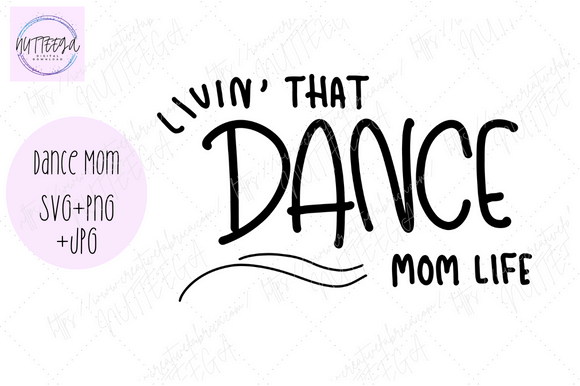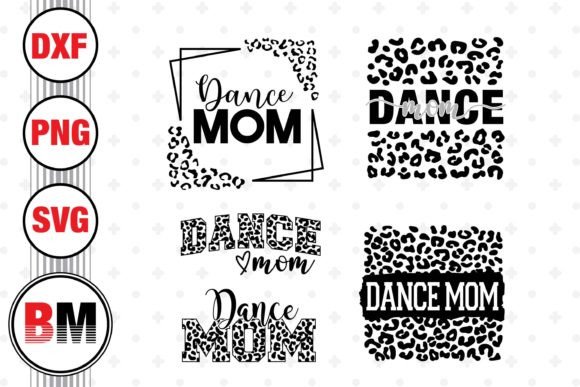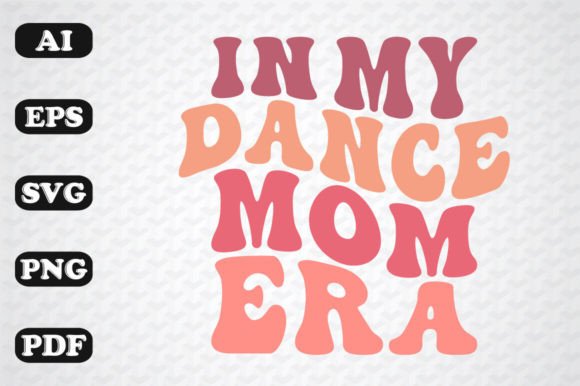
In My Dance Mom Era Wavy SVG PNG Review
As a professional embroidery digitizer and product reviewer, I approach every new graphic asset with a specific question: will this actually stitch out cleanly, or is it just a pretty screen image? When evaluating the In My Dance Mom Era Wavy SVG PNG, my focus shifts immediately from digital aesthetics to physical application. This design captures a distinct retro nostalgia that is currently dominating the handmade market, but translating those wavy, fluid lines into a machine embroidery design requires careful consideration of fabric choice and stabilization.
The visual personality of this graphic is undeniably fun. It evokes the vibrant energy of dance competitions mixed with 70s-inspired typography. For an Etsy seller or small shop product creator, this mood is gold. However, as someone who has digitized hundreds of retro fonts, I know that "wavy" can sometimes mean "registration nightmare" if the underlying vector paths aren't clean. My first impression is that this layout offers excellent potential for custom apparel, specifically sweatshirts and tote bags, provided the user understands how to manage the interplay between the design's organic shapes and the structural limitations of thread.
Real-World Application: The Custom Sweatshirt Test
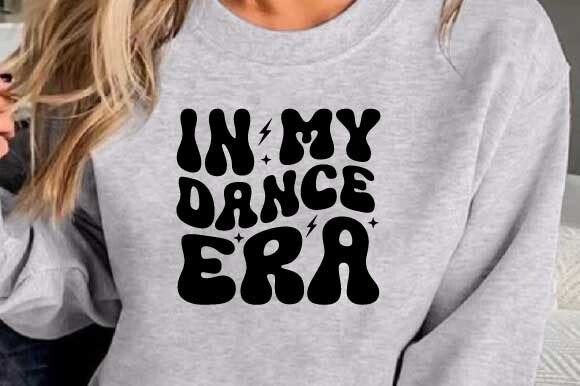
To truly judge this asset, I mentally placed it in a real-life production scenario. Imagine preparing a custom embroidered crewneck sweatshirt for a local dance studio’s merchandise drop. The goal is a finished product that looks boutique-quality, not homemade. The In My Dance Mom Era Wavy SVG PNG fits this niche perfectly because the text-heavy layout allows for high visibility from a distance, which is crucial for team apparel.
In this scenario, I would treat this as a candidate for either direct embroidery or an applique design. If using direct embroidery, the wavy nature of the text means you must pay close attention to pull compensation. Retro fonts often have varying stroke widths; when converted to satin stitch columns, the wider parts of the wave may require more density than the thinner curves. On a fleece sweatshirt, the fabric texture can swallow fine details. I found that this design works best when scaled up. Trying to shrink it down for a baby onesie or a pocket logo might result in lost definition, especially in the connecting ligatures of the script. For sweatshirt embroidery, keeping the design at least four inches wide ensures the waves remain legible and the stitching doesn't become too dense for the garment.
Fabric Compatibility and Stabilization Strategy
Not all fabrics are created equal, and this specific graphic demands respect for material science. Because the design features continuous, flowing lines, it is unforgiving on unstable fabrics. Here is my practical assessment of where this design thrives and where it struggles:
- Tote Bag Design: This is arguably the safest and most effective application. Canvas and denim provide a stable base that supports the weight of the stitches without excessive puckering. The retro vibe aligns perfectly with natural cotton textures.
- Hoodies and Fleece: Use a cut-away stabilizer and consider a water-soluble topping. The loops in the wavy text can get lost in the pile of a hoodie without proper surface management.
- Stretchy Knits (Tank Tops/Tees): Proceed with caution. The horizontal span of the wavy text fights against the vertical stretch of jersey knit. If you use this for custom apparel on thin tees, use a lightweight fusible backing to prevent distortion during washing.
- Caps and Curved Surfaces: I would advise against using this specific wavy layout for structured caps unless you are an advanced digitizer. The curvature of the cap combined with the curvature of the font creates compound distortion issues that are difficult to correct without redigitizing.
For baby embroidery or delicate items, verify the stitch density before running. Heavy fill areas on lightweight cotton can cause tearing. Always test on scrap fabric that matches your final project weight.
Commercial Viability for Makers and Sellers
For creative entrepreneurs, the value of a graphics file lies in its versatility and license safety. The In My Dance Mom Era Wavy SVG PNG serves as a strong foundation for commercial embroidery projects, but professional presentation matters. When listing this on Etsy or at craft fairs, customers trust sellers who demonstrate quality. A blurry mockup suggests a sloppy stitch-out.
I recommend creating both a printable mockup and a photo of a physical sample. Digital previews show the ideal state; physical samples prove feasibility. This builds buyer engagement and reduces returns. Furthermore, if you are selling digital embroidery files derived from this art, ensure you have verified the licensing terms included with the Ai 10 version Fi files. Never assume commercial rights; always check the documentation provided by the original artist to protect your craft business.
This design also excels in cross-medium branding. Because it includes high-resolution PNG and vector AI formats, you can match your embroidered patch inventory with printed stickers or vinyl decals using the exact same artwork. Consistency across mediums elevates a hobbyist brand to a professional label.
Technical Notes for Clean Stitch-Outs
Before loading this design into your machine, run through this professional checklist to ensure your personalized gift or retail item meets industry standards:
- Verify Vector Integrity: Open the AI file and check for open nodes or overlapping paths. Wavy fonts sometimes have hidden anchor points that cause jump stitches or trims in unexpected places.
- Thread Color Contrast: Retro designs rely on bold color blocking. Test your thread colors against the fabric in natural light. Neon threads on white fabric can look washed out; consider a darker outline or shadow effect to add depth.
- Hoop Size Confirmation: Do not force this design into a hoop that is barely large enough. Tension issues at the edges will distort the waves. Use the smallest hoop that still leaves ample margin around the design.
- Stitch Type Selection: Decide early if this is a running stitch outline, a satin column, or a fill stitch. For a retro look, satin stitches usually offer the best sheen, but they increase stitch count significantly. Ensure your machine can handle the density.
- Wash Testing: If this is for holiday embroidery or frequent-use items like aprons, wash the test sample. Wavy letters can curl or pucker after laundering if the underlay wasn't sufficient.
Final Verdict on Design Assets
The In My Dance Mom Era Wavy SVG PNG is a robust asset for the modern maker. It bridges the gap between trendy digital art and tangible handmade products. Its success in embroidery depends entirely on the user's willingness to adapt the file to the physical constraints of needle and thread. It is not a "set it and forget it" file for beginners, but for intermediate to advanced embroiderers, it offers significant creative latitude.
Whether you are producing holiday gifts for dance instructors, stocking a boutique with nostalgic apparel, or expanding your digital catalog, this design delivers character and commercial appeal. Just remember: the magic happens when you respect the relationship between the vector line and the stitch path. Always prioritize testing over speed, and your finished projects will reflect the professionalism that keeps customers coming back.