Dance Mom Leopard: A Designer’s Embroidery Review
As a professional embroidery designer and product reviewer, I approach every new graphic with a critical eye toward its final stitched reality. When evaluating the Dance Mom Leopard design, my first impression is one of bold, trendy confidence. The leopard print motif combined with dance-themed typography creates an immediate visual hook that speaks directly to a specific, passionate niche. However, in the world of machine embroidery design, a pretty screen image does not always translate to a clean stitch-out. This review breaks down how this digital asset performs when moved from a digital file to a tangible handmade product, specifically focusing on its viability for commercial crafters and Etsy sellers.
First Impressions and Visual Personality
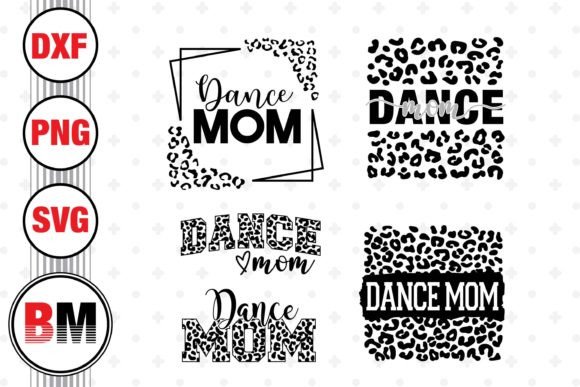
The mood of Dance Mom Leopard is unapologetically energetic. It balances the fierce aesthetic of animal print with the playful chaos of dance culture. For a graphics product intended for crafts, this balance is crucial. Too aggressive, and it alienates the youth dance market; too cutesy, and it loses the "cool factor" that modern moms seek. The layout appears optimized for center-chest placement or tote bag centrality. As a reviewer, I appreciate that the silhouette likely avoids excessive negative space, which is vital for maintaining structural integrity during embroidery. The visual personality suggests this design belongs on premium casual wear rather than formal competition gear. It feels like a boutique item you would find at a high-end dance studio fundraiser or a curated Etsy shop specializing in personalized gifts for creative entrepreneurs.
Real-World Application: The Custom Sweatshirt Test
To truly judge this embroidery file, I mentally placed it in a real-life production scenario: creating a custom embroidered sweatshirt for a dance team mom. Sweatshirts are a staple for small shop products, but they present unique challenges due to fabric texture and stretch. In this context, Dance Mom Leopard needs to perform as more than just a cute graphic; it must be a durable, washable emblem of team spirit.
When stitching this design on a cotton-polyester blend fleece, the interaction between thread colors and fabric texture becomes paramount. If the design utilizes satin stitch borders around the leopard spots, I would be checking for adequate underlay to prevent the stitches from sinking into the fleece pile. A successful sweatshirt embroidery project requires the design to have enough density to cover the fabric without becoming bulletproof. If the Dance Mom Leopard file includes intricate inner details, those elements must be large enough to remain distinct after washing. For a client expecting a professional finish, the contrast between the leopard pattern and the base garment color must be sharp. This design has the potential to be a bestseller for holiday embroidery seasons or end-of-year recital gifts, provided the stitch-out remains crisp on textured knits.
Navigating Fabric Challenges and Hoop Limitations
While the aesthetic is strong, practical application requires caution. Not every substrate is friendly to detailed graphics. When using Dance Mom Leopard on thin or stretchy fabrics like performance tees or baby clothes, stabilizer choice is non-negotiable. A design with this level of visual complexity can cause puckering on lightweight knits if the stitch density is too high or the pull compensation is insufficient. I strongly advise testing this machine embroidery design on scrap fabric that matches your final project weight before committing to a customer order.
Hoop size is another critical variable. While the download includes scalable formats like SVG and DXF, resizing an embroidery design is not the same as resizing a vector for print. Shrinking Dance Mom Leopard for a small cap or sleeve cuff may result in lost detail or overlapping stitches. Conversely, enlarging it for a large tote bag design might expose gaps in fill stitch areas if the original digitizing wasn't intended for that scale. For curved surfaces like caps, verify that the design's aspect ratio fits the limited vertical stitching area. Detailed corners and tiny lettering are often the first casualties when adapting a standard flat embroidery project to headwear. Always confirm the physical dimensions against your hoop capabilities before purchasing or stitching.
Commercial Viability for Makers and Sellers
For Etsy sellers and small business owners, Dance Mom Leopard represents a valuable digital asset, but only if executed professionally. Customer trust is built on consistency. If you sell a finished product featuring this design, the stitch quality must match the polished look of your printable mockup. Buyers engaging with dance-themed merchandise are often repeat customers who value brand consistency and recognition. Using this design across multiple platforms—such as matching aprons for concession stand volunteers and blankets for spectators—can create a cohesive collection that boosts average order value.
However, commercial embroidery demands efficiency. Evaluate the stitch count relative to the price point. A highly dense design might look stunning but could take too long to run profitably on a single-needle machine during peak season. Additionally, consider the giftability factor. Does this design appeal to both the purchaser (the mom) and the recipient? Its versatility allows it to function as a personalized gift for coaches, a team uniform accent, or even nursery decor for a dance-themed baby room. Just ensure that any licensing terms regarding commercial use of the digital embroidery file are clearly understood before listing items for sale.
Essential Designer Notes for Success
Before you load Dance Mom Leopard into your machine or design software, run through this practical checklist to ensure a professional outcome:
- Test Stitch First: Never assume a digital file is perfect for your specific machine-fabric combination. Run a test on similar material to check registration and tension.
- Verify File Compatibility: Although listed as compatible with Cricut Design Space and Silhouette, these are primarily cutting platforms. Ensure you have the correct embroidery-specific format (like PES, DST, or EXP) for your machine, as SVG/DXF are typically for vinyl or paper crafts unless converted.
- Check Thread Contrast: Leopard print relies on tonal variation. Test thread colors against both light and dark backgrounds to ensure the pattern reads clearly from a distance.
- Stabilizer Strategy: Match your backing to the fabric weight. Use cut-away for knits and tear-away for stable wovens to maintain shape and prevent distortion.
- Mockup Accuracy: When creating listings, use realistic mockups that reflect actual stitch texture rather than flat digital prints to manage buyer expectations.
- Licensing Compliance: Confirm whether the instant download license permits selling finished physical products versus digital redistribution. Protect your business by adhering to creator terms.
- Detail Inspection: Zoom in on the smallest elements. If text or spots are smaller than 4mm, they may require simplification or removal for reliable stitching.
Final Thoughts on Production Value
Dance Mom Leopard holds significant promise for apparel decorators and hobbyists alike. Its strength lies in its niche specificity and bold visual appeal, making it ideal for custom apparel and craft fair products. However, its success depends entirely on the maker's technical diligence. By respecting fabric limitations, verifying hoop compatibility, and prioritizing stitch quality over speed, you can transform this digital download into a premium handmade product that resonates with customers. Whether you are crafting a single personalized gift or building a commercial embroidery line, treating this design with professional scrutiny ensures it delivers both aesthetic beauty and functional durability.