Twin Mom Claus: A Designer’s Embroidery Review
When evaluating digital assets for holiday production, the transition from screen to stitch is where the real test begins. As a designer who manages both custom client orders and ready-to-wear boutique inventory, I approach every new graphic with a critical eye toward manufacturability. The Twin Mom Claus design initially caught my attention as a versatile vector asset for cutting machines, but its potential extends far beyond vinyl decals. For embroidery professionals and Etsy sellers, this graphic serves as an excellent foundation for digitizing or applying heat transfer vinyl (HTV) in mixed-media projects. However, understanding how this specific aesthetic translates to fabric is crucial before committing it to a commercial product line.
First Impressions and Seasonal Marketability
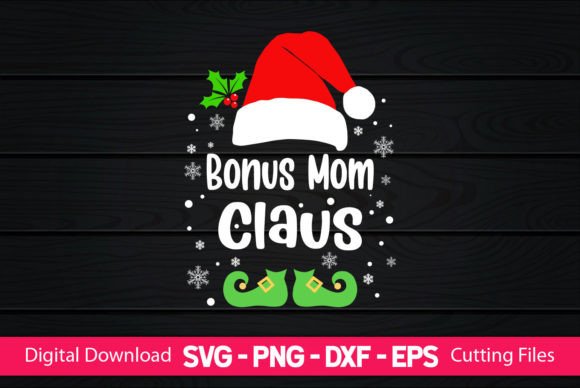
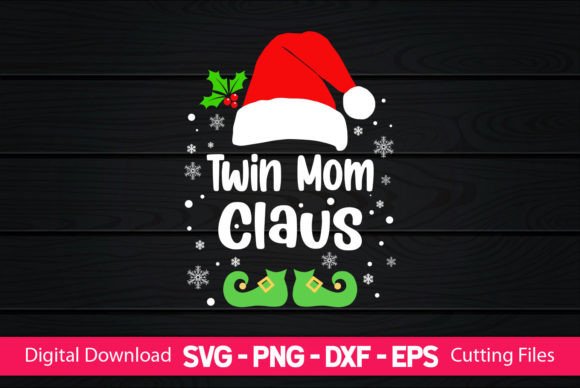
Visually, Twin Mom Claus strikes a balance between nostalgic tradition and modern playfulness. The silhouette suggests a character that is recognizable yet distinct enough to avoid generic clip-art fatigue. In the Crafts and Graphics category, holiday designs often suffer from being overly intricate or too simplistic; this design appears to sit in a productive middle ground. The mood is celebratory without being chaotic, making it suitable for a wide demographic ranging from young families to adult holiday enthusiasts.
From a business perspective, this type of imagery has high perceived value because it targets a specific niche: mothers of multiples and parents who appreciate humor blended with classic iconography. When I review a machine embroidery design or cut file, I look for "shelf appeal." Does this design make a customer stop scrolling? The Twin Mom Claus concept answers yes by combining identity (twin mom) with seasonal relevance. This specificity drives engagement better than a standard Santa hat, particularly for personalized gift markets where buyers seek items that reflect their unique life stage.
Real-World Application: The Holiday Sweatshirt Project
To truly evaluate this asset, I mentally placed it into a current production scenario: creating a limited-run holiday sweatshirt collection for a local mom’s group and online shop. Sweatshirt embroidery requires careful consideration of fabric texture and design density. Fleece and French terry fabrics have a pile that can swallow fine details, so the bold shapes inherent in the Twin Mom Claus graphic are advantageous here.
In this real-life case, I would utilize the SVG or DXF file to create a layered HTV application on heather grey sweatshirts. The contrast of red, white, and green vinyl against a neutral fabric background allows the design to pop without requiring dense satin stitch columns that might cause puckering. Alternatively, if converting this to a pure embroidery file, the clean lines suggest it would work beautifully as an applique design. Using felt or cotton quilting fabric for the applique layers would reduce stitch count significantly while adding a tactile, handmade quality that customers associate with premium boutique products. This hybrid approach maximizes profit margins by reducing machine run time while maintaining a high-end custom apparel look.
Technical Considerations for Fabric and Stitching
While the digital file is optimized for Cricut and Silhouette cutting machines, embroiderers must adapt the artwork for textile use. Not all graphics translate seamlessly to needle and thread. Here are practical observations on where Twin Mom Claus performs best and where caution is required:
- Ideal Substrates: This design thrives on stable, medium-weight fabrics. Canvas tote bags, denim aprons, and cotton pillow covers provide the necessary structure to support either vinyl adhesion or embroidery stabilization. The graphic weight likely complements these heavier materials without overwhelming them.
- Challenging Surfaces: Be cautious when applying this to stretchy knits or ribbed textures without proper testing. If using the design for baby embroidery on onesies, the scale must be adjusted down, and a lightweight stabilizer is non-negotiable to prevent distortion. Curved surfaces like caps may require simplifying the design elements, as complex corners in a vector file do not always curve well around a hat frame.
- Detail Integrity: Inspect the smallest elements of the Twin Mom Claus graphic. If there are facial features or text smaller than 0.25 inches, they may not render clearly in thread. For cutting machines, ensure the blade can navigate tight interior curves without tearing the vinyl. In embroidery, these areas might need to be converted to running stitch outlines rather than fill stitch to maintain clarity.
- Fabric Color Contrast: Always test light and dark backgrounds. A design that looks vibrant on white may disappear on navy blue unless you add an outline or shadow element. For commercial embroidery projects, having a pre-tested color palette saves hours of re-hooping and wasted materials.
Production Value and Customer Trust
The difference between a hobbyist project and a professional finished product often lies in execution consistency. Using a high-quality source file like Twin Mom Claus establishes a baseline for professionalism. When customers receive an item where the design is centered correctly, the edges are crisp (whether stitched or cut), and the theme resonates personally, trust in your brand increases. This is especially vital for Etsy sellers and small shop owners relying on repeat business and word-of-mouth referrals.
Furthermore, the versatility of receiving multiple formats (SVG, PNG, DXF, EPS) supports business scalability. You can use the PNG for printable mockups to validate market interest before producing physical inventory. Use the SVG for same-day craft fair restocks via vinyl pressing, and reserve the digitized embroidery version for higher-ticket custom orders. This multi-channel utility makes the design asset a smarter investment than single-format files.
Essential Pre-Production Checklist for Makers
Before listing any product featuring Twin Mom Claus, experienced makers should adhere to a strict validation protocol. Skipping these steps is the most common cause of negative reviews and returns in the handmade community.
- Verify Licensing Terms: Confirm whether your purchase includes commercial rights for finished products versus digital redistribution. Never assume; always check the specific license provided with the download.
- Conduct a Physical Test Run: Do not stitch or cut directly onto a sellable garment first. Use scrap fabric of the exact same weight and composition. Check for registration issues, adhesive failure, or thread breaks.
- Assess Stabilizer Compatibility: Match your stabilizer to the fabric, not just the design. A tear-away might suffice for canvas but could distort a knit. Test wash durability if the item is intended for frequent use, such as kitchen towels or baby bibs.
- Evaluate Scalability: Resize the design to your intended hoop size or press dimensions. Vector files scale infinitely, but visual balance changes at different sizes. Ensure the Twin Mom Claus proportions remain pleasing at both 4-inch and 10-inch widths.
- Create Accurate Mockups: Use the included digital files to create realistic previews for your online listings. Buyers need to visualize the final product. Ensure your mockup lighting and fabric texture match what you will actually ship to avoid misleading customers.
Ultimately, Twin Mom Claus represents a strong opportunity for creative entrepreneurs looking to expand their holiday catalog. Its success in your shop will depend less on the file itself and more on your technical application and material choices. By treating this graphic as a component of a larger manufacturing process rather than just a standalone image, you elevate your output from simple crafting to professional product design. Whether you are pressing vinyl onto a tote bag design or digitizing a complex satin stitch border, let practical testing guide your creative decisions. The result will be a product that honors both the festive spirit and the standards of quality your customers expect.