In My Baseball Mom Era: An Embroidery Review
As a designer who has digitized and stitched out countless seasonal graphics, I approach every new machine embroidery design with a healthy dose of skepticism. We have all downloaded files that look perfect on screen but turn into thread nests or distorted lettering once the needle hits the fabric. When evaluating "In My Baseball Mom Era," I am looking past the trendy aesthetic to determine if this graphic can actually survive the transition from digital file to tangible handmade product. This review breaks down how this design performs in real-world scenarios for makers, Etsy sellers, and apparel decorators who need reliability alongside style.
Capturing the Seasonal Vibe Without Sacrificing Stitch Quality
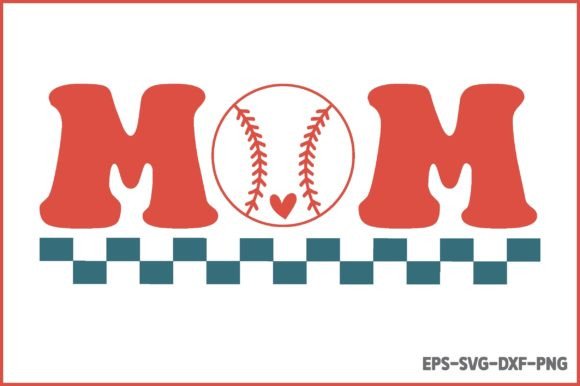
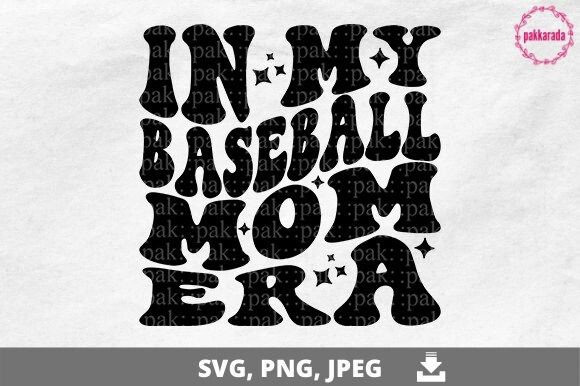
The first thing that strikes me about In My Baseball Mom Era is its cultural relevance. It taps directly into the current "era" trend while serving a specific niche: sports moms. From a design perspective, this creates an immediate emotional connection, which is half the battle when selling custom apparel. However, as an embroiderer, my primary concern is how the typography translates to thread. The phrase suggests a mix of script and block lettering, likely accompanied by baseball-themed iconography like bats, balls, or stitching lines.
Visually, the layout feels balanced for center-chest placement on a sweatshirt embroidery project or a left-chest logo on a tee. The mood is nostalgic yet modern, striking that difficult balance between vintage sports aesthetics and current social media trends. For a craft business, this means the design has high perceived value because it feels timely rather than generic. When I visualize this on a garment, I see clean lines that won't get lost in the texture of a fleece sweatshirt or the weave of a canvas tote bag design. The personality of the graphic is confident, which reassures me that it will hold up as a focal point rather than fading into the background.
Real-World Application: The Custom Sweatshirt Test
To truly judge this embroidery file, I mentally walk through a production run for a client order. Imagine preparing a batch of personalized Gildan 18000 sweatshirts for a local little league team’s mothers. This is where the rubber meets the road. In My Baseball Mom Era needs to perform consistently across multiple garments without requiring constant machine adjustments.
For this scenario, I would treat this as a potential applique design opportunity if the file supports it, or a dense fill stitch composition if it is purely digital. On a sweatshirt, the fleece backing provides stability, but the knit surface can swallow fine details. If the design utilizes thin running stitch elements for decorative accents, I would be cautious. Running stitches on fleece often sink in, making the design look incomplete. I prefer seeing robust satin stitch borders or adequate fill stitch coverage in designs intended for heavy fabrics. If In My Baseball Mom Era relies heavily on delicate linework, I would recommend testing it on a scrap piece of similar weight fabric before committing to a full production run.
Conversely, if applying this to a structured cap or a smooth cotton t-shirt, the concerns shift. Caps require designs that are vertically condensed and free of excessive density at the bottom to prevent puckering. T-shirts demand lightweight stabilization to avoid the "bulletproof vest" effect where the embroidered area is stiffer than the surrounding fabric. A well-digitized version of In My Baseball Mom Era should account for these variables, offering enough openness in the stitch pattern to maintain fabric drape while ensuring the text remains legible from a distance.
Navigating Fabric Variables and Hoop Limitations
Not every project uses ideal substrates, and as reviewers, we must consider the edge cases. Where does this design struggle? I would advise extreme caution when using In My Baseball Mom Era on highly textured fabrics like terry cloth towels or chunky knits unless you are using a water-soluble topping. The intricate details typical of "era" style graphics can easily get lost in deep pile textures.
Hoop size compatibility is another critical checkpoint. Before purchasing or stitching, verify the dimensions against your machine’s capabilities. If the design pushes the limits of a 4x4 hoop, you risk registration issues where the final letters don't align perfectly with the first. For larger formats suitable for tote bags or jacket backs, ensure your machine can handle the increased stitch count without flagging errors. Additionally, consider the stabilizer requirements. A design with this much text and thematic imagery likely requires a medium-weight cutaway for stretchy athletic wear to prevent distortion during washing. Using tear-away on performance fabrics is a common mistake that leads to warped designs after the first laundry cycle.
I also want to address color contrast. Baseball themes often utilize red, white, and blue, or classic neutrals. If you are stitching In My Baseball Mom Era on a dark navy sweatshirt, ensure the digitizer included adequate underlay. White thread on dark fabric needs a solid foundation to prevent the fabric color from bleeding through the stitches. Without proper underlay, even the most beautiful digital embroidery file will look muddy and unprofessional.
Commercial Viability for Makers and Digital Sellers
For the Etsy seller or small shop owner, this design represents more than just a pretty picture; it is a revenue stream. The versatility mentioned in the product description—printable on mugs, signs, and stickers—adds significant value. However, as an embroidery specialist, I focus on the stitched application. Does this design justify a premium price point on a finished personalized gift? Absolutely, provided the execution is flawless. Parents are sentimental buyers, and a high-quality embroidered item celebrating their role as a "Baseball Mom" carries emotional weight that mass-produced merchandise cannot match.
If you are selling the design assets themselves, transparency is key. Clearly state whether In My Baseball Mom Era includes multiple sizes or specific file formats compatible with popular machines. Buyers need to know if they are getting a scalable vector-friendly embroidery format or a fixed-size rasterized stitch file. For those creating printable mockups to list physical products, ensure the digital preview accurately represents the stitch texture. Misleading customers with flat vinyl-style mockups when selling embroidery erodes trust. Show the sheen of the thread and the dimensionality of the stitches in your listing photos.
Essential Pre-Stitch Checklist for Professional Results
Before you hoop up your best inventory, run through this practical checklist to ensure In My Baseball Mom Era delivers the quality your brand demands:
- Verify Licensing: Confirm whether the purchase includes commercial rights for selling finished commercial embroidery products versus personal use only. Never assume usage rights based on the visual appeal alone.
- Test Stitch Density: Run a sample on scrap fabric identical to your final project. Check the back of the embroidery; excessive bobbin thread showing on top indicates tension issues or density problems inherent to the file.
- Check Small Details: Inspect any tiny icons or punctuation marks. If they are smaller than 2mm, they may not stitch out clearly. You might need to edit the file to remove or enlarge these elements for smaller hoop size applications.
- Evaluate Thread Colors: Plan your palette before stitching. Variegated threads can sometimes obscure text readability in complex designs. Solid colors usually offer better clarity for typographic designs like this.
- Assess Washability: If creating baby items or kitchen textiles, test wash the sample. Ensure the stitch density holds up without unraveling or distorting the fabric grain.
- Mockup Reality Check: Create both light and dark background mockups. A design that pops on white might disappear on heather gray. This helps you decide which garment colors to stock for your shop.
Final Thoughts on Design Integrity
In My Baseball Mom Era succeeds because it marries a potent cultural moment with a versatile application range. Whether you are creating a holiday embroidery gift for a coach's wife, stocking your boutique with seasonal small shop product offerings, or expanding your digital catalog, this theme has legs. However, the difference between a mediocre result and a bestseller lies in the technical execution. By respecting the limitations of fabric, understanding the nuances of stitch types, and validating the file through rigorous testing, you transform a simple download into a professional-grade asset. Always remember that in our industry, the finished product is the only review that truly matters to the customer. Treat this design with the technical attention it deserves, and it will serve as a reliable staple in your creative repertoire.