Cool Mom Retro: An Embroidery Designer’s Review
As a professional embroidery designer and product reviewer, I approach every new digital asset with a specific question: Will this actually stitch out beautifully on a finished product? When evaluating the Cool Mom Retro design, my focus shifts immediately from the screen to the hoop. This graphic carries a distinct vintage aesthetic that is currently dominating the handmade market, but translating retro graphics into thread requires careful consideration of stitch density, fabric choice, and commercial viability. For Etsy sellers, apparel decorators, and creative entrepreneurs, understanding how this specific machine embroidery design performs in real-world scenarios is the difference between a bestseller and a production failure.
First Impressions and Visual Personality
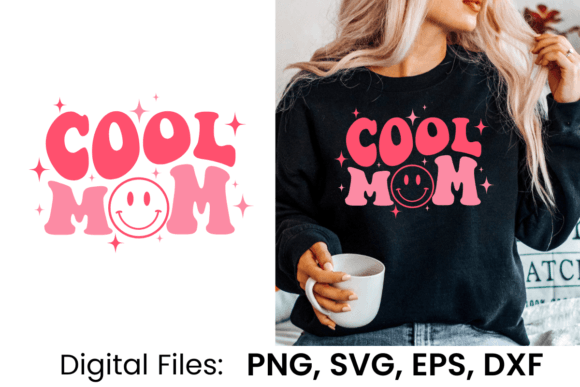
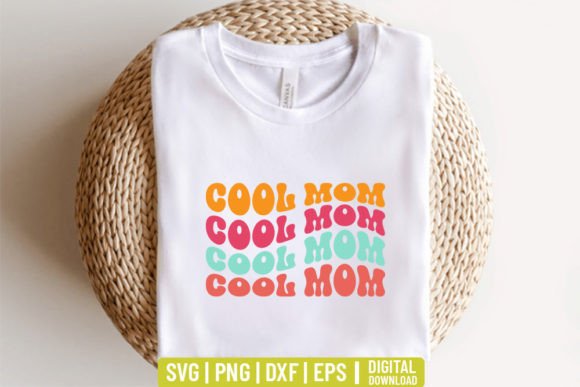
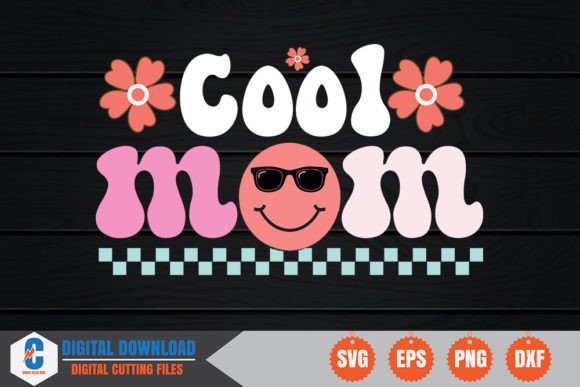
Upon opening the zip file containing the SVG, EPS, DXF, and PNG formats, the first thing that stands out is the bold, nostalgic typography. The "Cool Mom" theme taps into a massive cultural moment, blending empowerment with 70s-inspired warmth. As a graphics asset, it feels playful yet structured. However, for embroidery purposes, I am looking at line weight and negative space. Retro designs often feature distressed textures or groovy, flowing scripts that can be tricky to digitize effectively. This design appears to have clean lines suitable for conversion, but the mood dictates its application. It does not feel like a formal monogram; it feels like a conversation starter. It belongs on relaxed, everyday items rather than heirloom linens. The visual personality suggests it will perform best as a centerpiece on casual custom apparel or functional accessories where the wearer wants to project confidence and style.
Real-World Application: The Sweatshirt Test
To truly evaluate this embroidery file, I mentally place it in a current production scenario. Let’s imagine preparing a batch of oversized crewneck sweatshirts for a Mother’s Day pop-up shop. This is where Cool Mom Retro shines, but also where technical decisions matter most. Sweatshirt fleece has a high pile and texture. If I were stitching this design, I would avoid tiny running stitch details that might get lost in the fabric nap. Instead, I would utilize the editable nature of the file to ensure the lettering uses a slightly wider satin stitch or a textured fill stitch to sit proudly on top of the fleece.
In this scenario, customer reaction is key. Buyers are looking for that perfect blend of trendy and timeless. Because the design is 100% color changeable, I can adapt the thread colors to match seasonal palettes—muted terracotta and sage for autumn, or bright pinks and teals for summer. This versatility makes it an invaluable asset for a craft business that needs to keep inventory fresh without purchasing new designs constantly. The retro vibe pairs exceptionally well with garment-dyed fabrics, creating a cohesive handmade product that looks professionally curated rather than hastily assembled.
Navigating Fabric Challenges and Hoop Sizes
While the design is versatile, experienced makers know that retro aesthetics require caution on certain substrates. I would advise using Cool Mom Retro carefully on stretchy performance fabrics or very thin knits without proper stabilization. The density required to make retro letters opaque can cause puckering on lightweight t-shirts if you do not use adequate cut-away stabilizer. Furthermore, if you are planning to use this as an embroidered patch or on a curved surface like a cap, you must verify the hoop size compatibility before purchasing. Retro fonts often have wide stances; ensuring the design fits your specific machine’s maximum stitch area is crucial to avoid resizing distortions that ruin the vintage proportion.
For baby embroidery projects, such as onesies or bibs, the scale must be adjusted thoughtfully. A design meant for an adult tote bag cannot simply be shrunk down by 50% for infant wear. Small lettering in retro styles can become unreadable or create bulletproof patches of thread that are uncomfortable against sensitive skin. In these cases, I recommend testing the design on scrap fabric first. Check whether the stitch density remains manageable at smaller sizes, or if you need to simplify the elements using your embroidery software. Always prioritize the comfort and safety of the finished product over the exact replication of the digital graphic.
Commercial Value and Brand Consistency
For those selling digital products or finished goods, this design offers significant commercial potential, provided it is used strategically. The "Mom Can Do Anything" sentiment resonates deeply with modern parents, making it highly giftable. However, brand consistency is vital. If your shop specializes in minimalist, modern line art, this bold retro graphic might feel out of place. Conversely, if your brand identity revolves around nostalgia, warmth, and empowerment, this design reinforces your niche.
When creating printable mockups for Etsy listings, utilize the included PNG file to showcase the design on various backgrounds. Test it against both light and dark fabric backgrounds in your previews. Retro designs often rely on contrast; showing customers how the thread colors pop against a charcoal sweatshirt versus a cream tote bag helps them visualize the final result and increases buyer engagement. Remember to confirm licensing terms before selling. While the file is editable and marketed for commercial use, always double-check if there are limitations on mass production or digital redistribution to protect your business integrity.
Designer Notes for Optimal Stitch Out
Before loading this embroidery file into your machine for a client project or personal gift, run through this practical checklist to ensure professional results:
- Stabilizer Selection: Match your stabilizer to the fabric weight. Use tear-away for stable woven fabrics like canvas tote bags, but switch to soft cut-away for apparel to prevent scratchiness and maintain drape.
- Thread Contrast: Retro designs rely on bold visibility. Avoid tonal threading unless intentional; high contrast between thread and fabric ensures the "Cool Mom" message is legible from a distance.
- Density Check: Since the file is editable, inspect the stitch density. If stitching on textured terry cloth or minky for blankets, consider adding an underlay foundation to prevent stitches from sinking.
- Color Planning: Utilize the 100% color changeable feature to create collections. Group similar thread changes across multiple items to streamline production time during holiday embroidery rushes.
- Test Run: Never skip the test stitch on scrap material. Verify that small decorative accents and corners are crisp and that the design does not pull the fabric out of alignment.
- Washability: Consider the end use. If this is for kitchen towels or aprons that face frequent washing, ensure satin stitches are secure and trim jumps closely to prevent snagging.
Elevating the Handmade Standard
Ultimately, Cool Mom Retro is more than just a collection of vector files; it is a tool for connection. When executed with attention to technical detail, it transforms generic blanks into personalized gifts that carry emotional weight. Whether you are an established apparel decorator expanding your catalog or a hobbyist making a special birthday present, the success of this design lies in respecting the relationship between the digital art and the physical medium. By treating this graphics asset with the same rigor as any complex applique design or intricate fill stitch pattern, you ensure that your finished product reflects true craftsmanship. In a saturated market, it is this level of thoughtful execution that builds customer trust, encourages repeat business, and distinguishes your work as genuinely professional.